
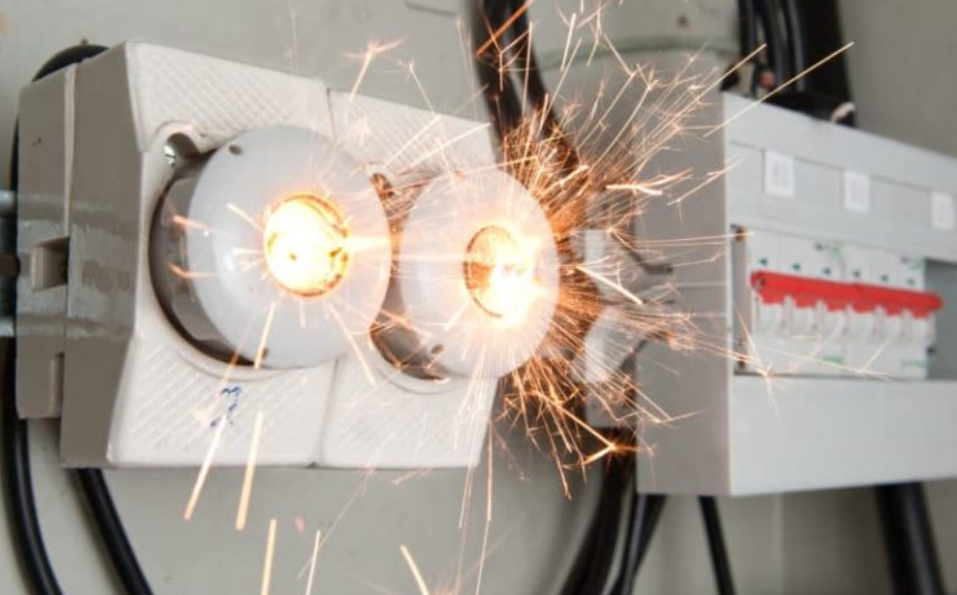
Electrical systems play a vital role in residential, commercial, and industrial environments. However, one of the most common and dangerous electrical issues is an electrical circuit overload. Understanding what causes overloads, the risks involved, and how to prevent them is essential for maintaining safety, efficiency, and system reliability.
What Is an Electrical Circuit Overload?
An electrical circuit overload occurs when more electrical current flows through a circuit than it is designed to handle. This typically happens when too many devices or appliances are connected to a single circuit, forcing it to draw excess current beyond its capacity.
Overloads can damage wiring, trip circuit breakers, and in severe cases, lead to electrical fires.
Common Causes of Circuit Overload
Several factors can contribute to circuit overloads, including:
-
Plugging multiple high-power appliances into one outlet
-
Using outdated or undersized wiring
-
Continuous operation of heavy electrical equipment
-
Faulty electrical components or poor system design
-
Lack of proper load distribution in electrical panels
In industrial and commercial settings, improper sourcing of electrical components can significantly increase overload risks.
Dangers Associated with Electrical Overloads
Ignoring overload issues can lead to serious consequences, such as:
-
Overheating of wires and insulation damage
-
Frequent breaker trips and power interruptions
-
Reduced lifespan of electrical equipment
-
Fire hazards and safety violations
-
Unexpected downtime in industrial operations
This is why engineers and technicians must prioritize both system design and component quality.
How to Prevent Electrical Circuit Overload
Preventive measures can greatly reduce overload risks:
-
Proper Load Calculation – Ensure circuits are designed according to expected power demand.
-
Use Quality Electrical Components – Reliable sourcing of breakers, wires, and panels is critical.
-
Install Dedicated Circuits – High-power appliances should have separate circuits.
-
Routine Inspections – Regular maintenance helps detect early warning signs.
-
Upgrade Old Systems – Aging infrastructure should be modernized to meet current standards.
For engineers and businesses seeking dependable electrical components and global sourcing solutions, platforms like Lianjie Supply Chain provide access to reliable electrical products and supply chain expertise. Their detailed guide on electrical circuit overload explains technical aspects and safety considerations in greater depth.
Importance of Reliable Global Sourcing
With increasing demand for energy-efficient and safe electrical systems, sourcing high-quality components from trusted suppliers is more important than ever. Global sourcing platforms help engineers, contractors, and manufacturers access certified products while ensuring compliance with international standards.
Conclusion
An electrical circuit overload is not just a technical issue—it is a serious safety concern. By understanding its causes and implementing proper preventive measures, individuals and organizations can protect both people and property. Investing in quality components, smart system design, and reliable sourcing partners ensures long-term electrical safety and performance.